

When Water Strikes: What Water Damage Really Does to Your Home
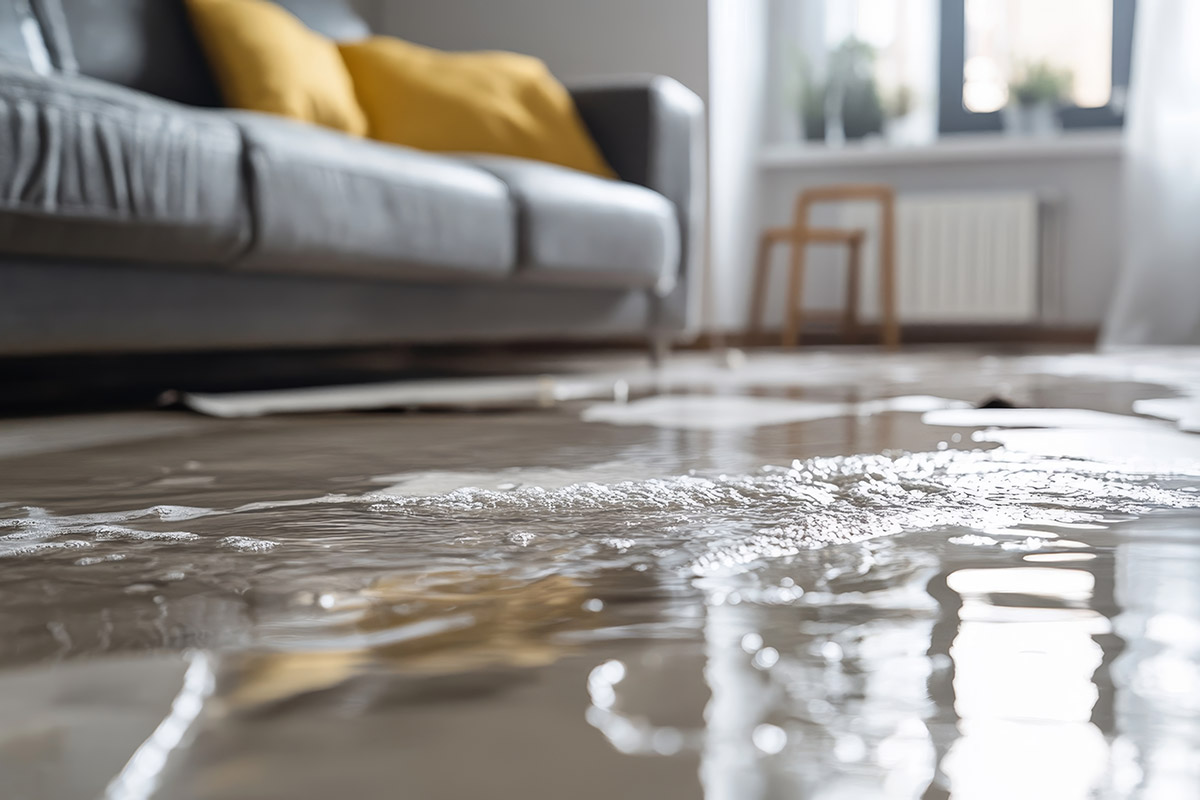
Water damage is one of the most common and costly issues affecting homes and commercial properties. Whether caused by a burst pipe, natural flooding, or a leaking roof, water intrusion can quickly lead to structural damage, mold growth, and health risks. Understanding the causes, categories, and restoration process is essential for minimizing damage and protecting property value.
Table Of Content
- What Is Water Damage?
- Common Causes of Water Damage
- Internal Causes
- External Causes
- Categories of Water Damage
- Water Damage Categories Table
- Classes of Water Damage (Extent of Damage)
- Water Damage Classes Table
- Signs of Water Damage
- Water Damage Restoration Process
- Key Steps in Restoration
- Effects of Water Damage
- Structural Impact
- Health Risks
- Financial Consequences
- Water Damage vs Flood Damage
- Comparison Table
- Preventing Water Damage
- Prevention Tips
- Benefits of Professional Water Damage Services
- Conclusion
What Is Water Damage?
Water damage refers to the destruction or deterioration of materials and structures caused by the intrusion of water. It can affect walls, floors, ceilings, furniture, and even the foundation of a building.
The severity of water damage depends on several factors, including the source of water, the duration of exposure, and how quickly mitigation efforts begin. Immediate action is critical, as damage can escalate significantly within the first 24–48 hours.
Common Causes of Water Damage
Water damage can originate from a variety of sources, both internal and external.
Internal Causes
- Burst or leaking pipes
- Faulty plumbing systems
- Overflowing sinks, bathtubs, or toilets
- Malfunctioning appliances (washing machines, dishwashers, water heaters)
- HVAC system leaks
External Causes
- Heavy rainfall and storms
- Flooding from rivers or poor drainage
- Roof leaks due to damaged shingles
- Foundation cracks allowing water intrusion
- Blocked gutters and downspouts
Even small leaks can lead to major damage over time if not addressed promptly.
Categories of Water Damage
Water damage is classified based on the level of contamination and associated health risks.
Water Damage Categories Table
| Category | Description | Source Examples | Risk Level |
|---|---|---|---|
| Category 1 | Clean water | Broken pipes, supply lines | Low risk |
| Category 2 | Gray water | Appliances, sump pump failures | Moderate risk |
| Category 3 | Black water | Sewage, flooding, contaminated water | High health risk |
Clean water can quickly degrade into more hazardous categories if not treated immediately.
Classes of Water Damage (Extent of Damage)
Water damage is also classified by how much water has been absorbed and how far it has spread.
Water Damage Classes Table
| Class | Description | Affected Materials | Drying Difficulty |
|---|---|---|---|
| Class 1 | Minimal water absorption | Small areas, non-porous materials | Easy |
| Class 2 | Significant absorption | Carpets, walls, furniture | Moderate |
| Class 3 | Extensive saturation | Ceilings, insulation, entire rooms | High |
| Class 4 | Deep saturation (hard-to-dry materials) | Concrete, hardwood, plaster | Very difficult |
Higher classes require more advanced equipment and longer drying times.
Signs of Water Damage
Water damage is not always immediately visible. Early detection can prevent extensive repairs.
Common signs include:
- Water stains on ceilings or walls
- Peeling paint or bubbling wallpaper
- Warped or swollen flooring
- Musty odors indicating mold growth
- Visible mold or mildew
- Increased humidity or condensation indoors
Ignoring these signs can lead to more severe structural issues and costly repairs.
Water Damage Restoration Process
Professional water damage restoration follows a structured process designed to minimize damage and restore the property efficiently.
Key Steps in Restoration
- Inspection and Assessment
Specialists identify the source of water and assess the extent of damage. - Water Removal
High-powered pumps and vacuums remove standing water quickly. - Drying and Dehumidification
Industrial air movers and dehumidifiers eliminate moisture from materials and air. - Cleaning and Sanitizing
Surfaces are cleaned and disinfected to prevent mold and bacteria growth. - Restoration and Repairs
Damaged materials are repaired or replaced, restoring the property to its original condition.
Quick response is critical—delays can significantly increase restoration costs.
Effects of Water Damage
Water damage can have both immediate and long-term consequences.
Structural Impact
- Weakening of walls, ceilings, and floors
- Damage to electrical systems
- Foundation instability
Health Risks
- Mold growth leading to respiratory issues
- Bacterial contamination from gray or black water
- Allergic reactions and skin irritation
Financial Consequences
- Expensive repairs and replacements
- Decreased property value
- Potential insurance complications
Water Damage vs Flood Damage
Although often used interchangeably, water damage and flood damage are different in terms of cause and insurance coverage.
Comparison Table
| Aspect | Water Damage | Flood Damage |
|---|---|---|
| Source | Internal or localized issues | Natural disasters, rising water |
| Coverage | Usually covered by insurance | Requires separate flood insurance |
| Scope | Limited to specific areas | Widespread damage |
| Examples | Pipe burst, appliance leak | River overflow, storm surge |
Understanding this difference is important when dealing with insurance claims.
Preventing Water Damage
Prevention is the most effective way to reduce the risk of water damage. Regular maintenance and early intervention can save significant time and money.
Prevention Tips
- Inspect plumbing systems regularly
- Repair leaks immediately
- Clean gutters and ensure proper drainage
- Install sump pumps in flood-prone areas
- Seal cracks in foundations and walls
- Monitor water pressure levels
- Use water leak detection systems
Proactive measures significantly reduce the likelihood of major damage.
Benefits of Professional Water Damage Services
Handling water damage without professional help can lead to incomplete drying and hidden issues.
Professional services provide:
- Advanced equipment for faster water removal
- Accurate moisture detection
- Mold prevention and remediation
- Safe handling of contaminated water
- Full restoration solutions
Hiring experts ensures the problem is resolved thoroughly and reduces the risk of recurring damage.
Conclusion
Water damage is a serious issue that can affect every aspect of a property, from structural integrity to indoor air quality. Whether caused by plumbing failures or natural events, quick action and proper restoration are essential.
By understanding the causes, categories, and prevention strategies, property owners can take proactive steps to protect their investments and maintain a safe, healthy environment.

