Pest Control: Complete Guide to Services, Methods, and Industry Categories
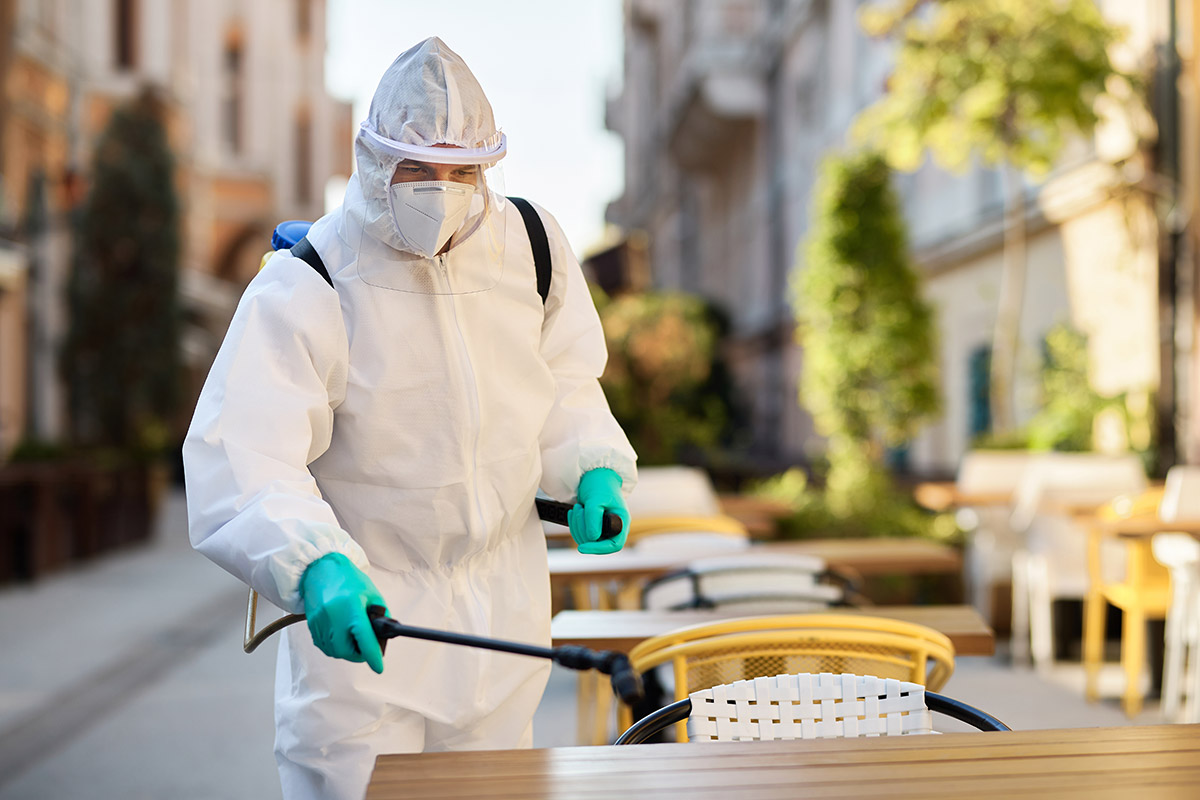
Pest control is essential for maintaining a safe, hygienic, and comfortable environment in both residential and commercial properties. From insects and rodents to wildlife and seasonal pests, infestations can lead to property damage, health risks, and long-term structural issues. A clear understanding of pest categories, treatment methods, and prevention strategies helps property owners effectively manage and avoid infestations.
Table Of Content
- What Is Pest Control?
- Main Categories of Pest Control
- Overview Table of Pest Control Categories
- Common Household Pests
- Insects
- Rodents
- Wood-Destroying Pests
- Outdoor and Seasonal Pests
- Pest Control Methods
- Comparison of Pest Control Methods
- Residential vs Commercial Pest Control
- Key Differences
- Signs You May Need Pest Control
- Preventative Pest Control Strategies
- Benefits of Professional Pest Control
- Conclusion
What Is Pest Control?
Pest control refers to the process of identifying, managing, and eliminating unwanted organisms that invade living or working spaces. These organisms may include insects, rodents, birds, and other wildlife. Modern pest control focuses not only on removal but also on prevention and long-term management using efficient and environmentally responsible techniques.
Main Categories of Pest Control
Different pests require different approaches. The industry is typically divided into several major categories:
- Insect control (ants, cockroaches, spiders, fleas)
- Termite control (wood-destroying insects)
- Rodent control (mice, rats)
- Bed bug control (indoor infestations)
- Wildlife control (larger animals)
- Mosquito and tick control (outdoor pests)
- Commercial pest control (business environments)
Overview Table of Pest Control Categories
| Category | Common Pests | Main Risks | Typical Treatments |
|---|---|---|---|
| Insect Control | Ants, roaches, spiders | Contamination, rapid spread | Sprays, baits, residual chemicals |
| Termite Control | Subterranean, drywood termites | Structural damage | Soil treatments, bait systems |
| Rodent Control | Mice, rats | Disease, wiring damage | Traps, bait stations, exclusion |
| Bed Bug Control | Bed bugs | Bites, sleep disruption | Heat treatment, chemical solutions |
| Wildlife Control | Raccoons, squirrels, birds | Property damage, noise | Trapping, relocation, exclusion |
| Mosquito/Tick Control | Mosquitoes, ticks | Disease transmission | Fogging, larvicides |
| Commercial Services | All pest types | Compliance issues, reputation risk | Integrated pest management (IPM) |
Common Household Pests
Pests vary depending on location, climate, and environment. However, several types are consistently found in homes.
Insects
Insects are the most common pests and often multiply quickly if left untreated.
- Ants invade kitchens and food storage areas
- Cockroaches thrive in warm, humid environments
- Spiders seek shelter indoors
- Fleas spread through pets and fabrics
- Wasps and bees can become aggressive and dangerous
Rodents
Rodents are highly destructive and pose serious health risks.
- Mice reproduce rapidly and enter through small openings
- Rats cause structural damage and contaminate surfaces
Wood-Destroying Pests
These pests often go unnoticed until significant damage occurs.
- Termites silently destroy wooden structures
- Carpenter ants tunnel through wood
- Wood-boring beetles damage furniture and materials
Outdoor and Seasonal Pests
- Mosquitoes breed in standing water
- Ticks live in grass and wooded areas
- Flies are attracted to waste and organic material
Pest Control Methods
Effective pest control relies on selecting the right treatment method based on the type and severity of infestation.
Comparison of Pest Control Methods
| Method | Description | Best For | Advantages | Limitations |
|---|---|---|---|---|
| Chemical Control | Use of pesticides and insecticides | Most infestations | Fast and effective | Requires careful application |
| Biological Control | Natural predators or organisms | Agriculture, eco-friendly setups | Environmentally safe | Slower results |
| Mechanical Control | Traps, barriers, physical removal | Rodents, small infestations | Non-toxic | Limited scale effectiveness |
| Integrated Pest Management | Combination of multiple strategies | Residential & commercial | Long-term prevention | Requires ongoing monitoring |
| Heat Treatment | High temperatures to eliminate pests | Bed bugs | Chemical-free | Specialized equipment needed |
| Fumigation | Gas-based treatment for entire structures | Severe infestations, termites | Deep penetration | Requires evacuation |
Residential vs Commercial Pest Control
Pest control approaches differ depending on the type of property.
Residential pest control focuses on protecting homes and families. It usually includes customized treatment plans, seasonal services, and preventative maintenance.
Commercial pest control is more structured and regulated. Businesses must comply with strict health and safety standards, especially in industries such as restaurants, hotels, and healthcare facilities.
Key Differences
| Aspect | Residential Pest Control | Commercial Pest Control |
|---|---|---|
| Focus | Comfort and safety | Compliance and reputation |
| Frequency | Periodic treatments | Ongoing monitoring |
| Complexity | Moderate | High |
| Regulations | Minimal | Strict industry regulations |
Signs You May Need Pest Control
Recognizing early warning signs can prevent major infestations.
Common indicators include:
- Droppings or unusual smells
- Visible insects or rodents
- Damage to wood, wires, or food packaging
- Bite marks or skin irritation
- Scratching or movement sounds inside walls
If these signs are ignored, infestations can escalate quickly.
Preventative Pest Control Strategies
Prevention is the most effective long-term solution. Small changes can significantly reduce pest activity.
Key strategies include:
- Sealing cracks and entry points around the property
- Keeping food properly stored and sealed
- Eliminating standing water outdoors
- Maintaining cleanliness in kitchens and storage areas
- Scheduling regular inspections
Consistency in these practices is essential for keeping pests away.
Benefits of Professional Pest Control
While DIY methods can help with minor issues, professional pest control services offer more reliable results.
Benefits include:
- Accurate identification of pest species
- Targeted and effective treatment plans
- Safe application of chemicals and methods
- Long-term prevention strategies
- Protection of property value and health
Professionals also have access to advanced tools and techniques that are not available to the general public.
Conclusion
Pest control is a vital part of maintaining a clean, safe, and functional environment. With a wide range of pest types and treatment methods, understanding the full scope of the industry allows property owners to take proactive steps toward prevention and control.
Whether dealing with insects, rodents, or wildlife, a strategic and informed approach ensures long-term protection and peace of mind.