
Professional Teeth Cleaning vs At-Home Brushing: What’s the Difference?
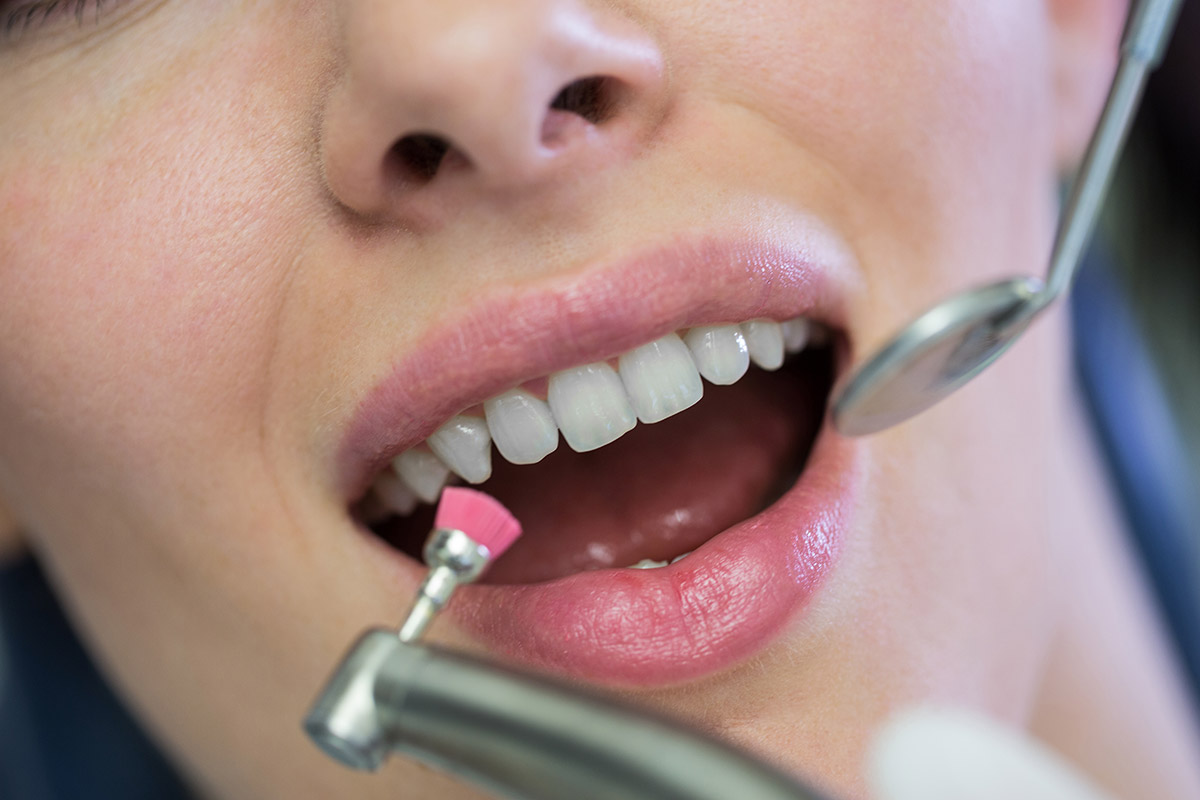
Brushing and flossing at home are essential for daily oral hygiene — but they are not a replacement for professional teeth cleaning. Each plays a different role in keeping your teeth and gums healthy. Understanding the difference helps prevent cavities, gum disease, bad breath, and costly dental treatments down the line.
Table Of Content
- What Is At-Home Brushing?
- What At-Home Brushing Does Well
- Limitations of At-Home Brushing
- What Is Professional Teeth Cleaning?
- What Professional Cleaning Does Best
- Side-by-Side Comparison Table
- Why Both Are Necessary
- What Happens If You Skip Professional Cleanings?
- How Often Do You Need Professional Teeth Cleaning?
- The Bottom Line
This guide breaks it all down clearly, including a side-by-side comparison table.
What Is At-Home Brushing?
At-home brushing refers to your daily oral hygiene routine, which typically includes:
- Brushing twice a day with fluoride toothpaste
- Flossing or using interdental cleaners
- Optional mouthwash use
What At-Home Brushing Does Well
- Removes daily food debris
- Disrupts soft plaque buildup
- Helps prevent early cavities
- Freshens breath
- Maintains results between dental visits
Limitations of At-Home Brushing
Even with perfect technique, brushing cannot remove hardened tartar (calculus) or reach all areas below the gumline. Over time, plaque hardens and becomes impossible to remove without professional tools.
What Is Professional Teeth Cleaning?
Professional teeth cleaning (also called prophylaxis) is performed by a dentist or dental hygienist using specialized instruments. It typically includes:
- Scaling (removal of plaque and tartar above and below the gumline)
- Polishing to remove surface stains
- Gum health evaluation
- Personalized oral hygiene guidance
What Professional Cleaning Does Best
- Removes hardened tartar
- Cleans below the gumline
- Prevents and manages gum disease
- Identifies early dental problems
- Reduces inflammation and bleeding gums
Side-by-Side Comparison Table
| Feature | At-Home Brushing | Professional Teeth Cleaning |
|---|---|---|
| Performed by | You | Dentist or hygienist |
| Frequency | Daily (2× per day) | Every 6 months (or more often if needed) |
| Removes soft plaque | ✅ Yes | ✅ Yes |
| Removes hardened tartar | ❌ No | ✅ Yes |
| Cleans below gumline | ❌ Limited | ✅ Thorough |
| Polishes tooth surfaces | ❌ No | ✅ Yes |
| Helps prevent cavities | ✅ Yes | ✅ Yes |
| Helps prevent gum disease | ⚠️ Limited | ✅ Strongly |
| Detects early dental issues | ❌ No | ✅ Yes |
| Replaces the other? | ❌ No | ❌ No |
Why Both Are Necessary
Think of oral care like car maintenance:
- At-home brushing = daily driving care
- Professional cleaning = professional servicing
Skipping either one leads to problems. Brushing alone won’t stop tartar buildup, while cleanings alone won’t protect teeth if daily plaque is ignored.
What Happens If You Skip Professional Cleanings?
Without regular professional cleanings, plaque hardens into tartar, leading to:
- Gum inflammation (gingivitis)
- Gum recession
- Periodontal disease
- Tooth sensitivity
- Tooth loss
- Chronic bad breath
These issues often develop without pain at first, which is why routine cleanings are critical.
How Often Do You Need Professional Teeth Cleaning?
Most patients benefit from cleanings every 6 months, but you may need them more frequently if you have:
- Gum disease
- Diabetes
- Smoking habits
- Heavy tartar buildup
- Orthodontic appliances
Your dentist will recommend the right schedule for you.
The Bottom Line
At-home brushing and professional teeth cleaning are partners, not substitutes. Brushing keeps plaque under control daily, while professional cleanings remove what your toothbrush can’t.
Together, they:
- Protect your smile
- Save money on future dental work
- Support long-term oral and overall health