
How to Keep Your Heart Healthy
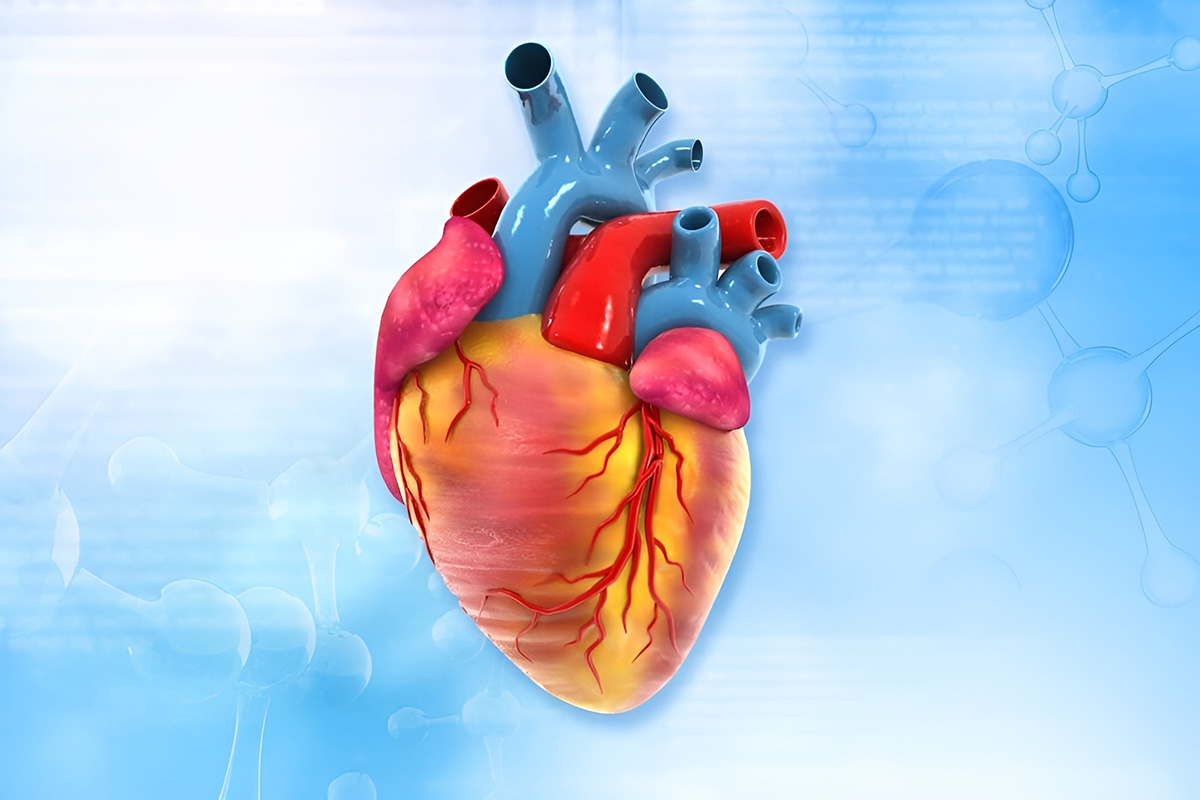
Cardiology: How to Keep Your Heart Healthy
Your heart is the engine of your body. It works 24/7 to circulate oxygen, nutrients, and hormones throughout your system. Keeping your heart healthy is not only essential for longevity — it’s critical for living a high-quality, energetic life. Fortunately, many of the most effective heart-health strategies are simple, natural, and proven by science.
Table Of Content
Cardiovascular disease remains the leading cause of death globally, yet the majority of heart conditions are preventable. By taking a proactive approach to your heart health, you can dramatically lower your risk and maintain vitality well into older age.
It’s not just about avoiding heart attacks — a strong and well-functioning cardiovascular system supports brain performance, stamina, hormone balance, and even your emotional resilience. A healthy heart means a healthier you, every day.
Top Lifestyle Tips for a Healthy Heart
- Eat a Heart-Friendly Diet
Focus on whole foods like fruits, vegetables, legumes, nuts, seeds, whole grains, and fatty fish. Avoid trans fats, excess salt, and processed sugars.
- Get Regular Exercise
Aim for at least 150 minutes of moderate aerobic activity or 75 minutes of vigorous activity weekly. Walking, cycling, and swimming are all excellent choices.
- Manage Blood Pressure
Unchecked high blood pressure can damage arteries. Regular monitoring and lifestyle adjustments can help keep it in a safe range.
- Quit Smoking
Smoking is one of the biggest risk factors for heart disease. Quitting dramatically reduces your risk within just a few months.
- Watch Your Cholesterol
High LDL cholesterol can lead to clogged arteries. Eat healthy fats, exercise regularly, and consider medical checkups if needed.
- Get Quality Sleep
Insufficient or poor-quality sleep can increase blood pressure and stress. Aim for 7–9 hours per night.
- Limit Alcohol Intake
Excessive alcohol affects blood pressure and weakens the heart muscle. Stick to moderate consumption or none at all.
- Manage Stress Effectively
Chronic stress can lead to inflammation and hypertension. Try meditation, deep breathing, nature walks, or journaling.
Supplements That May Support Heart Health
- Omega-3 Fatty Acids – Help reduce inflammation and triglyceride levels.
- Magnesium – Supports blood pressure and rhythm regulation.
- CoQ10 – May improve energy in heart cells and protect from oxidative stress.
- Vitamin D – Linked to cardiovascular health, especially in those deficient.
- Garlic Extract – May help lower cholesterol and blood pressure.
Warning Signs Not to Ignore
- Chest pain or pressure
- Shortness of breath
- Rapid or irregular heartbeat
- Swelling in legs or ankles
- Extreme fatigue or dizziness
If you experience any of these symptoms, seek medical help immediately. Early intervention saves lives.
Conclusion
Your heart is a resilient organ, but it needs your support. By making smart lifestyle choices, managing stress, staying active, and nourishing your body properly, you can protect your heart and enjoy a longer, healthier life. Start today — your future self will thank you.